



Skip to content
Mission

We built the tech company
we couldn't find.

Most software agencies fail the same way: billable hours quietly replacing outcomes, juniors sold as seniors, ownership evaporating in the hard weeks. binhatch runs without them.

A note from us.

We know these patterns because we've been inside them: as engineers delivering, as CTOs getting burned, as the ones who had to clean up afterwards.

Teams staffed with whoever was available, not whoever could think. Short-term choices that paid interest for years. Founders and CTOs carrying the delivery load themselves, because no external partner would actually own it. Relationships that quietly narrowed to whatever was billable this week.

These aren't bad people making bad calls. They're structural. The default shape of software-agency work. So we built the opposite: a small senior tech company that picks up one important initiative at a time, owns it end-to-end, and leaves behind systems that are better-maintained than when we got there.

We built it for ourselves first. It's the team we would've wanted to hire.

Máté & Levente

Founder · Technical direction

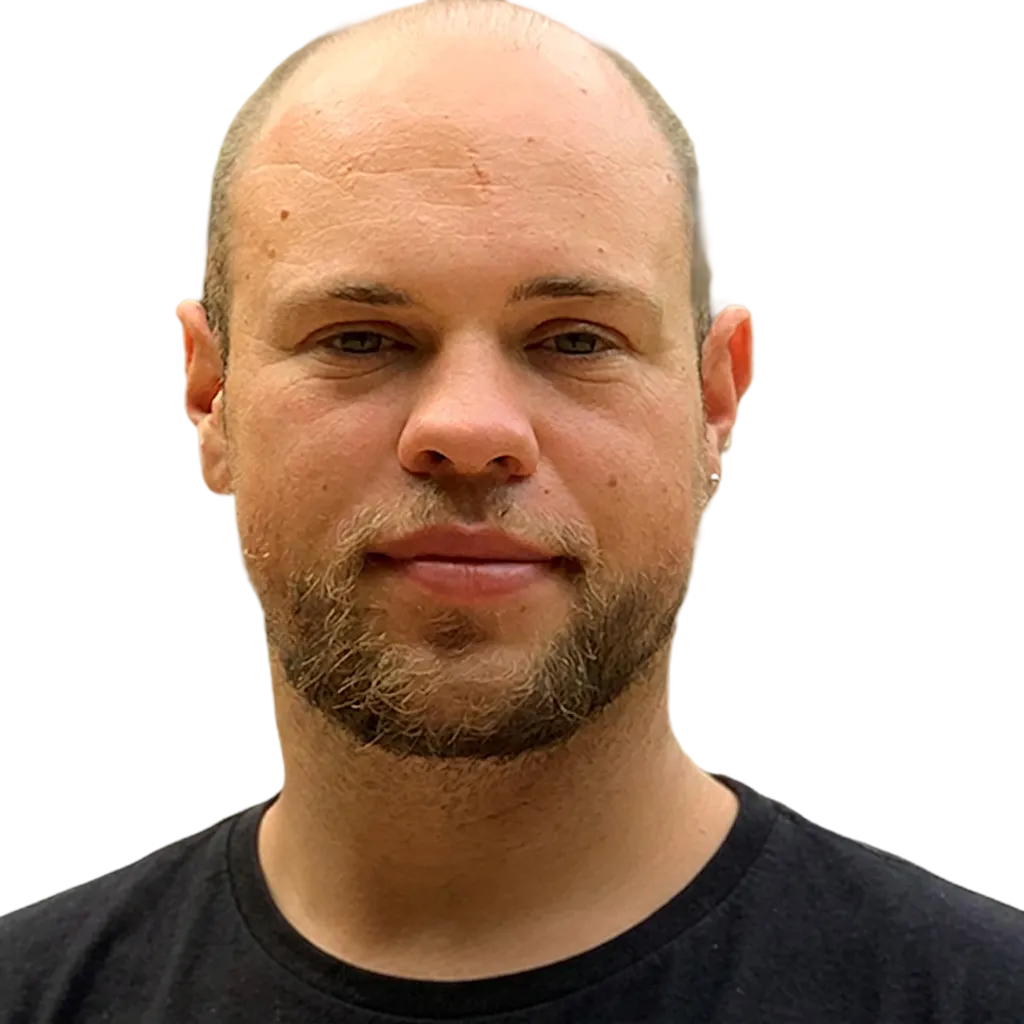
Máté Láng

Máté Láng

Three prior CTO tenures. Production platforms from Gold-SLA payment processing to AI systems today. Pursuing a PhD in massively scaled distributed systems and architecture, occasionally teaching.

LinkedIn ↗
I've spent fifteen years watching prototypes impress people and then fail spectacularly six months later: bad architecture, bad tech, bad models, bad ways of working. The engineering I care about starts the day the system meets real traffic.
Partner · Delivery & engagements

Levente Kürti

Levente Kürti

Sixteen years running delivery at a mobile-first studio he helped scale from fifty to a hundred-plus engineers. Twenty-plus parallel engagements. A hundred-and-fifty-plus products shipped to millions of users.

LinkedIn ↗
Good engineering doesn't land without good delivery. Every failed engagement I've watched broke the same way: shifting scope, rotating staff, handoffs that drop context, roadmaps rewritten mid-engagement. Clients don't pay us for hours; they pay us for the initiatives we're willing to put our names on. Most of the job is keeping that distinction honest.

What it's like here.

Six things we keep telling each other. About the work, and about ourselves.

01.

Done properly.

Or done again. We read the stack traces, reproduce the bugs, and trust the instinct that says this isn't quite right yet. Shortcuts are fine; cutting corners is a different thing.

02.

Say the hard thing.

To each other, to clients, to ourselves. Disagreement isn't friction; it's how a small senior team stays honest. The worst thing you can do here is nod along.

03.

Thinking is the job.

If the plan looks wrong, push back. If something feels off, surface it early. Defend your call when asked, and change your mind when the evidence tells you to.

04.

Quiet under pressure.

High-stakes doesn't have to mean high-drama. When things go wrong the room gets quieter, not louder. Pressure is a working condition, not a personality.

05.

Leave it better than we found it.

We look after systems, not just write them. Documentation that still makes sense in two years. Architecture that ages well. Code the next person will thank us for, even if we never meet them.

06.

Better every day.

The technology keeps changing and we keep changing with it. We teach, we speak, we read, we argue about architecture over coffee. A year here should look like a year.

Who actually does the work.

We operate as a small senior group. On any engagement, three to eight engineers, hand-picked for the initiative. No juniors billed as seniors. No bench rotation. The people in the demos are the people in the pull requests.

One call · No deck

Tell us about an
initiative that matters.

Thirty minutes with a senior engineer. We'll tell you straight whether this is work we should take on, or point you somewhere useful.